Just to be Fair, The Good News
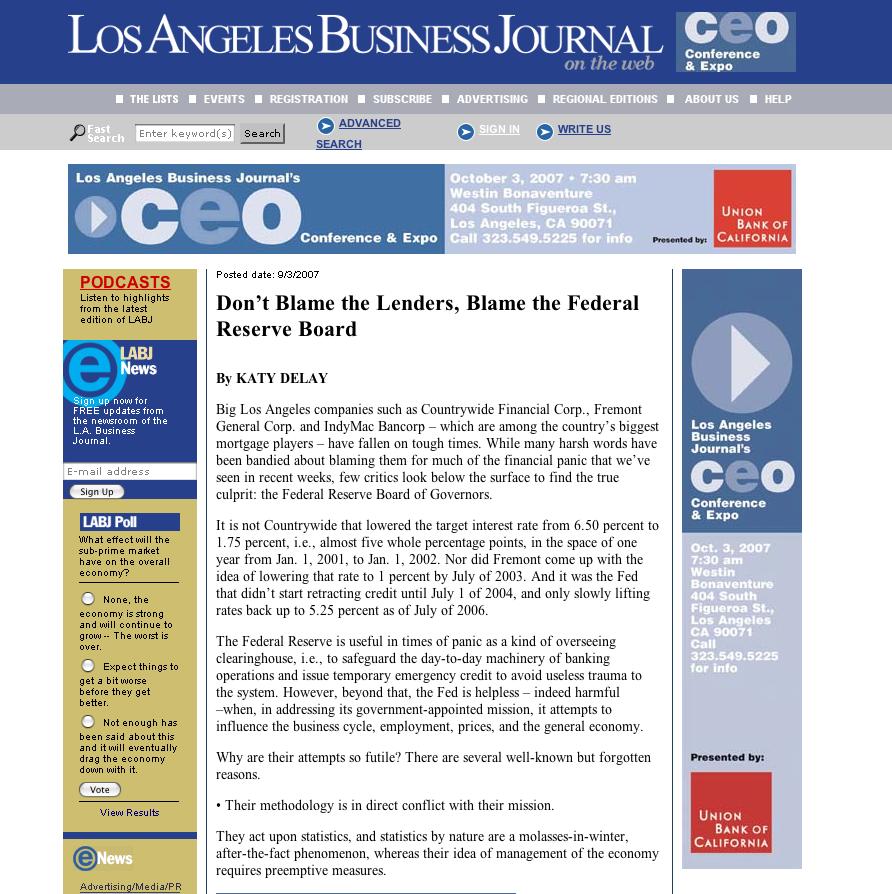
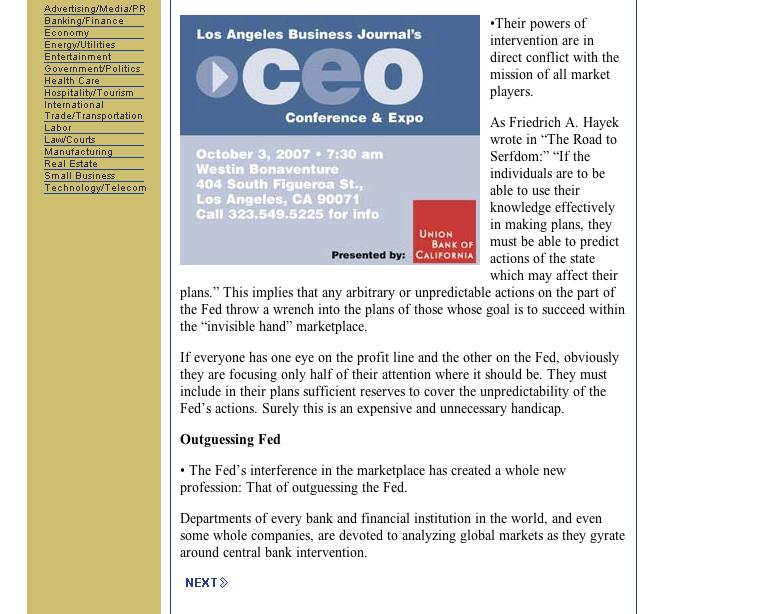
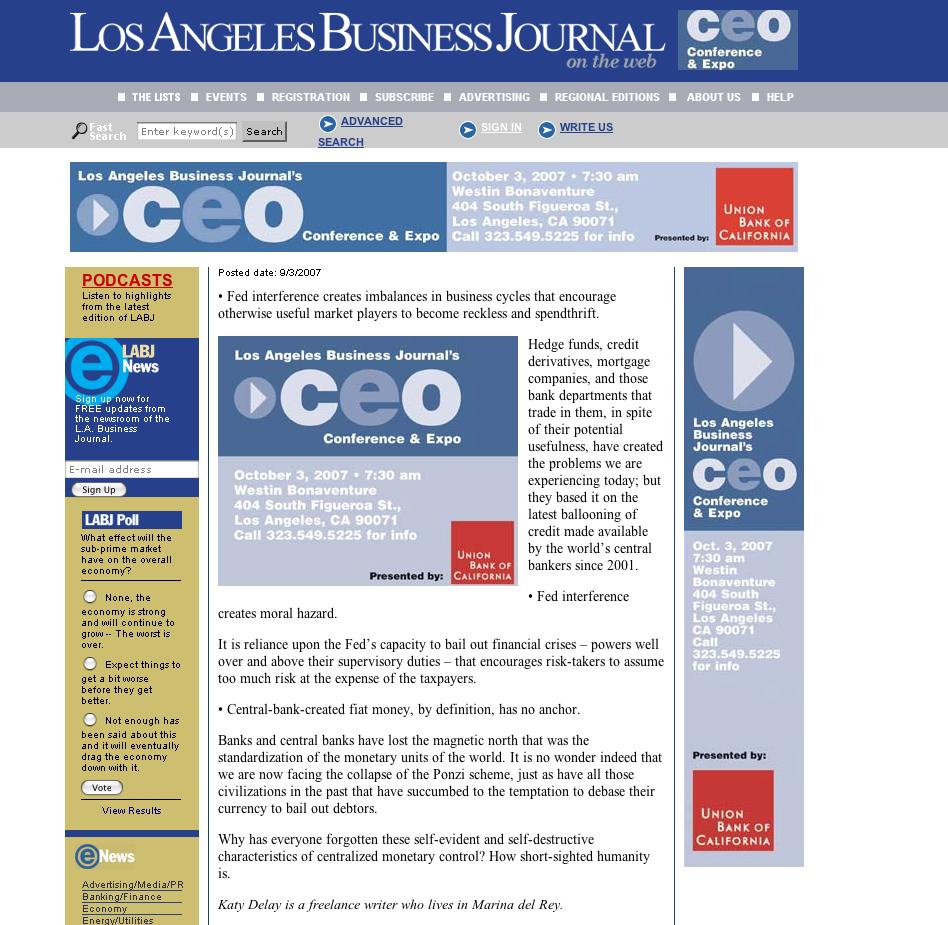
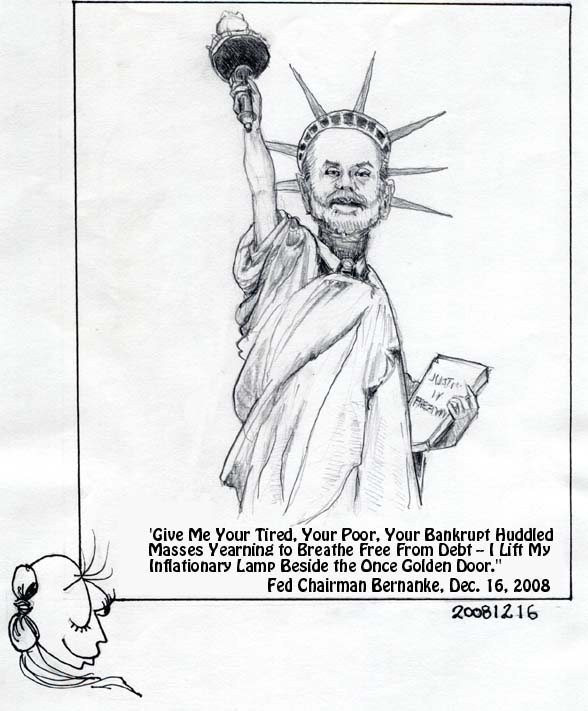
I've been harping since this blog's inception about disguised inflation and the Fed's handling of our money supply and credit, and I will continue to do so until they stop manhandling the dollar.
The US dollar is searching out new lows. I've moaned and groaned that this is the fault of the excess US purchasing media in circulation, due to Fed looseness and other factors. (See my article originally published at Prudent Bear here.)

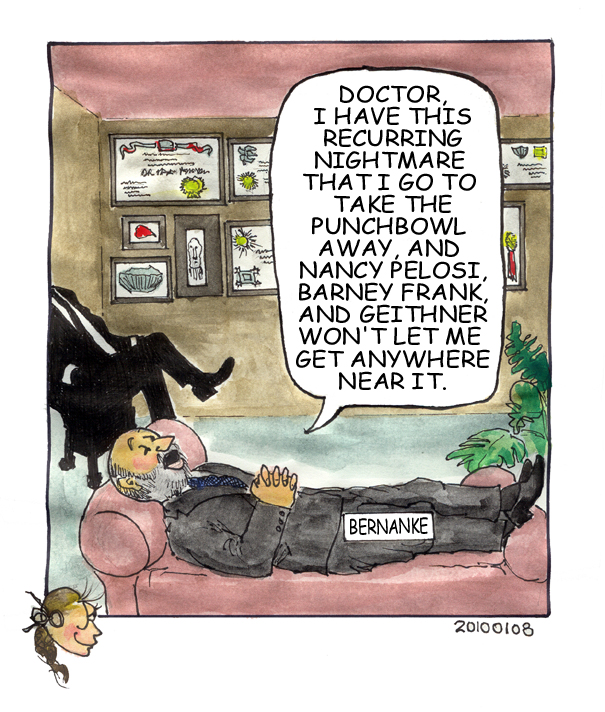
[Thanks to myfourthirds.com for this silver-lining image.]
On the other hand, we've squeaked by over the years. It's that old "Tallest Dwarf" thing. Today at Bloomberg, we get the illustration of how that works.
Simon Kennedy tells us of the rise in exports now that the dollar is cheaper, and that for the first time in many years a few optimists are opining that the world economy is acting independently of the US economy. (There are pessimists who do not believe this, however.)
Now, if our major trading partners the Japanese would stop pegging their yen, and the Chinese their yuan, to our dollar, then we would have the full expression of this phenomenon. Unfortunately, they have too much at stake to do so. It would spell havoc at home. (See previous post. A similar scenario applies to the Japanese situation.)
So the games continue. And who pays for all of this? It is the little guy, the fellow who, to his own great surprise, was finally able to afford his own house, only to be told a year later that he must renounce it through foreclosure. For some reason, these individual tragedies, even though collectively they represent billions of dollars, don't manage to touch the heart and/or mind of our central bankers.
The US dollar is searching out new lows. I've moaned and groaned that this is the fault of the excess US purchasing media in circulation, due to Fed looseness and other factors. (See my article originally published at Prudent Bear here.)
[Thanks to myfourthirds.com for this silver-lining image.]
On the other hand, we've squeaked by over the years. It's that old "Tallest Dwarf" thing. Today at Bloomberg, we get the illustration of how that works.
Simon Kennedy tells us of the rise in exports now that the dollar is cheaper, and that for the first time in many years a few optimists are opining that the world economy is acting independently of the US economy. (There are pessimists who do not believe this, however.)
Now, if our major trading partners the Japanese would stop pegging their yen, and the Chinese their yuan, to our dollar, then we would have the full expression of this phenomenon. Unfortunately, they have too much at stake to do so. It would spell havoc at home. (See previous post. A similar scenario applies to the Japanese situation.)
So the games continue. And who pays for all of this? It is the little guy, the fellow who, to his own great surprise, was finally able to afford his own house, only to be told a year later that he must renounce it through foreclosure. For some reason, these individual tragedies, even though collectively they represent billions of dollars, don't manage to touch the heart and/or mind of our central bankers.
Labels: economics, inflation, trade imbalance, yen, yuan
posted by Katy Delay at 9:31 PM
0 comments